our Story

01
WHERE IT BEGAN
In 2015, filmmaker David Gelb had an idea that didn’t look like a typical food show: no host, no recipes, no competition.
Just the lives of chefs—told with the cinematic language usually reserved for film.
Fresh off the success of Jiro Dreams of Sushi, Gelb pitched a documentary series to Netflix that would explore the inner worlds of chefs: their obsessions, their struggles, and the philosophy behind their food. At the time, it was a gamble. A slow, artful series about cooking—without a single instructional element. Netflix said yes.
The result was Chef's Table, which premiered in 2015 as one of the platform’s earliest original documentary series.
Each episode focused on a single chef, revealing not just what they cook—but why they cook. What started as an experiment quickly became something more: a new way of telling stories about food.
02
THE ART OF THE CHEF
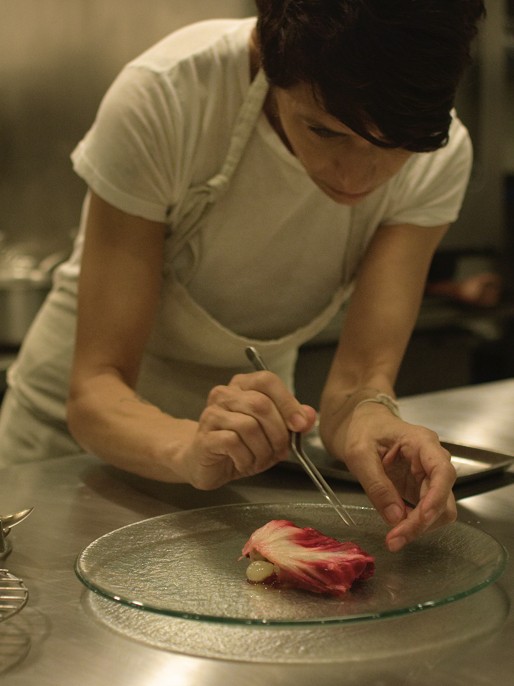
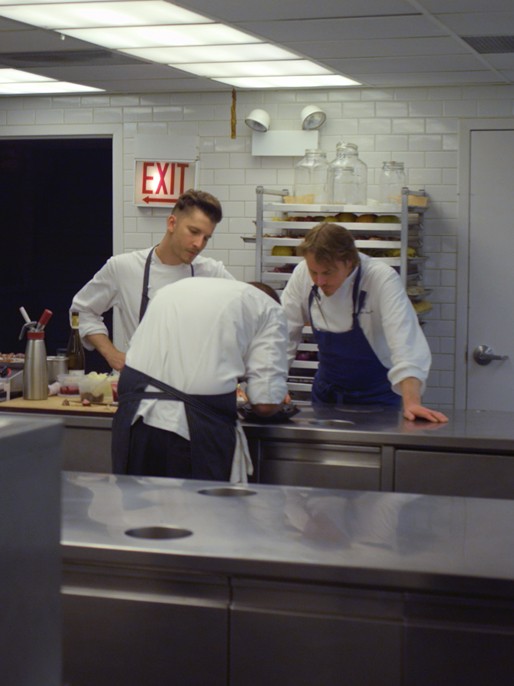
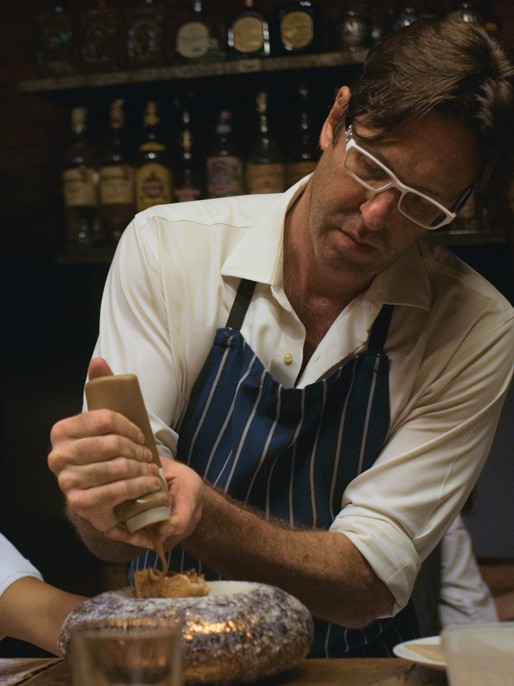
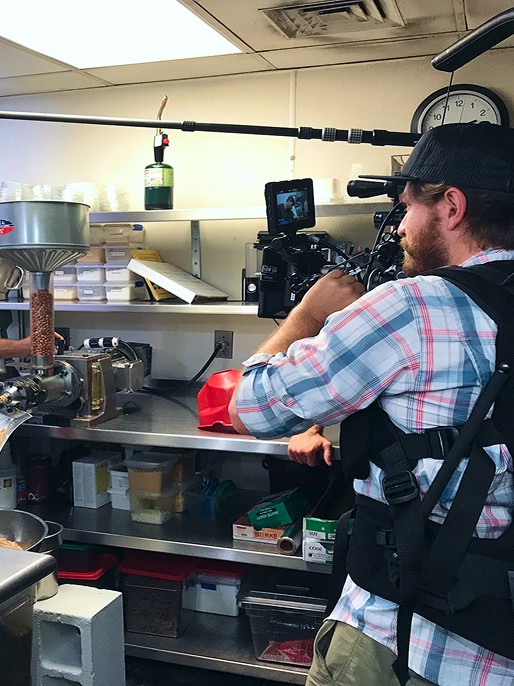
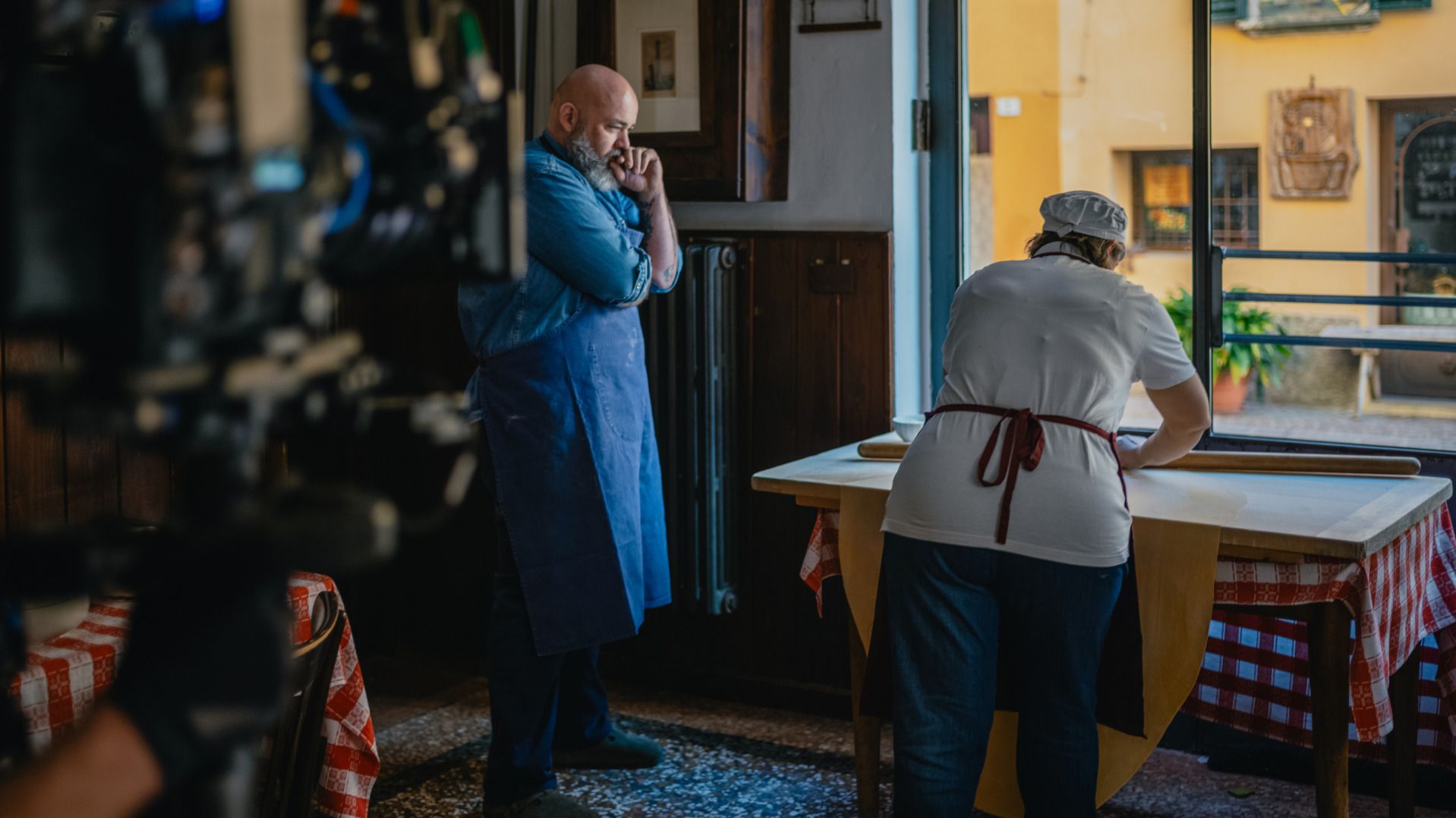
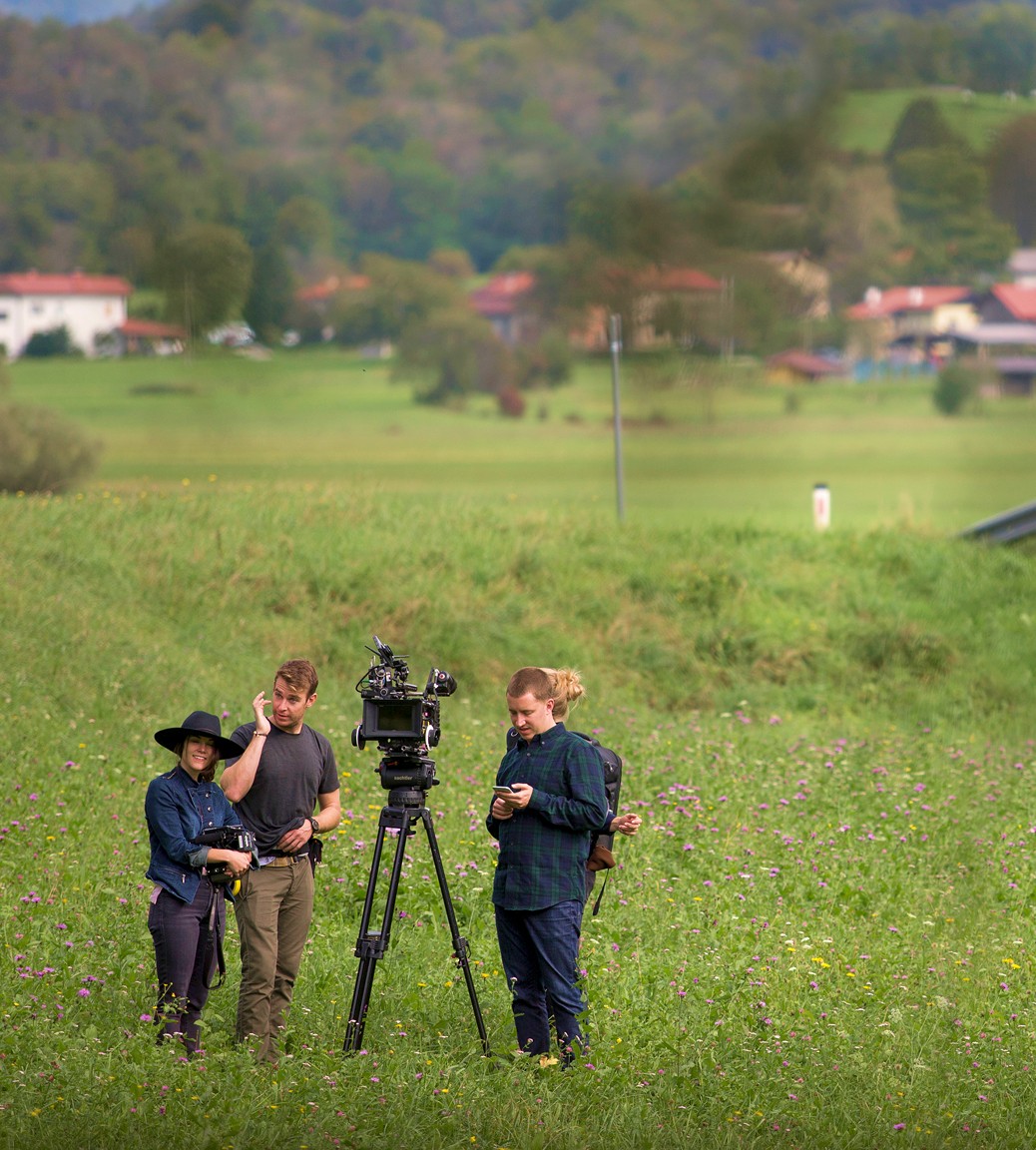
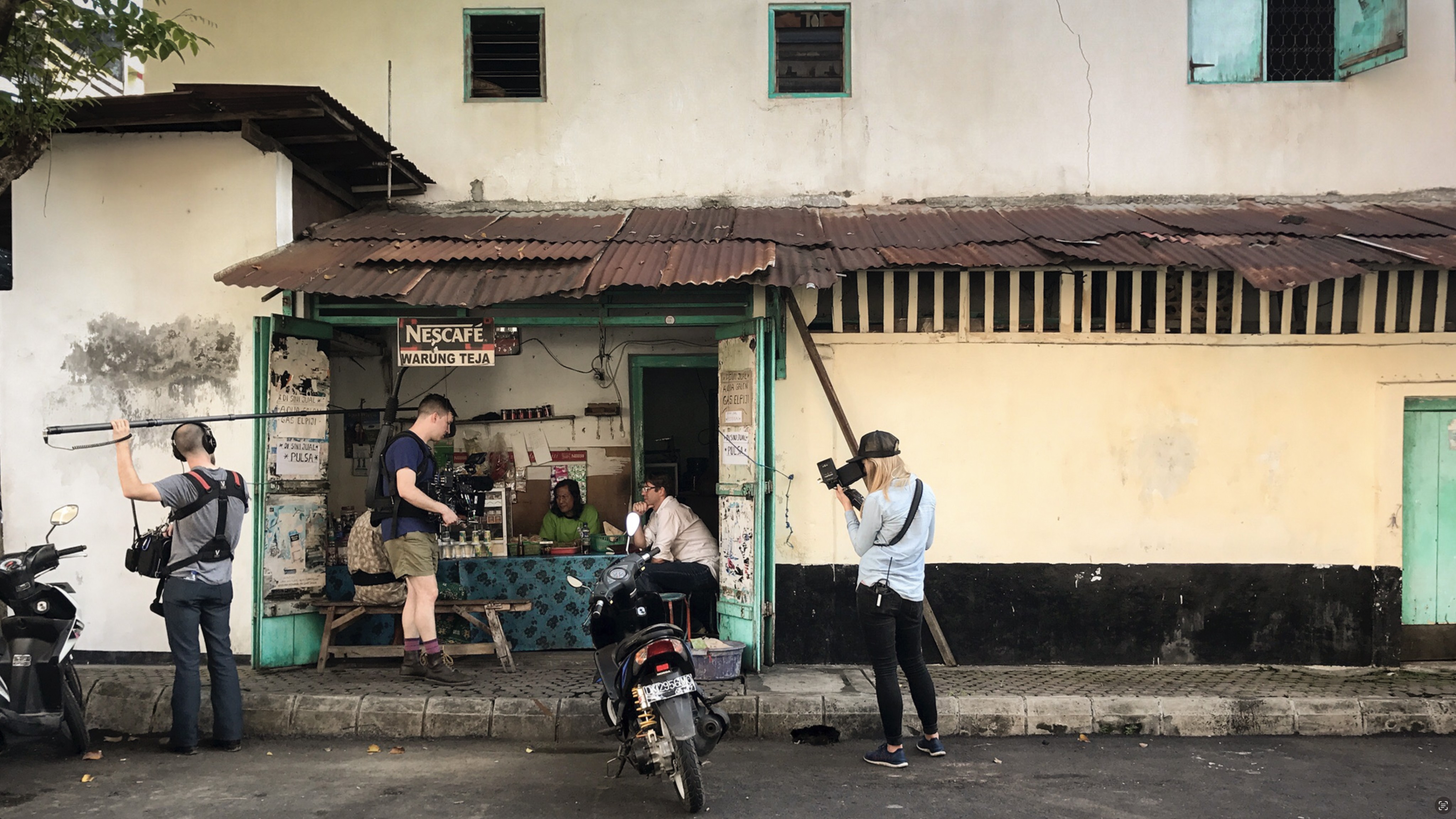
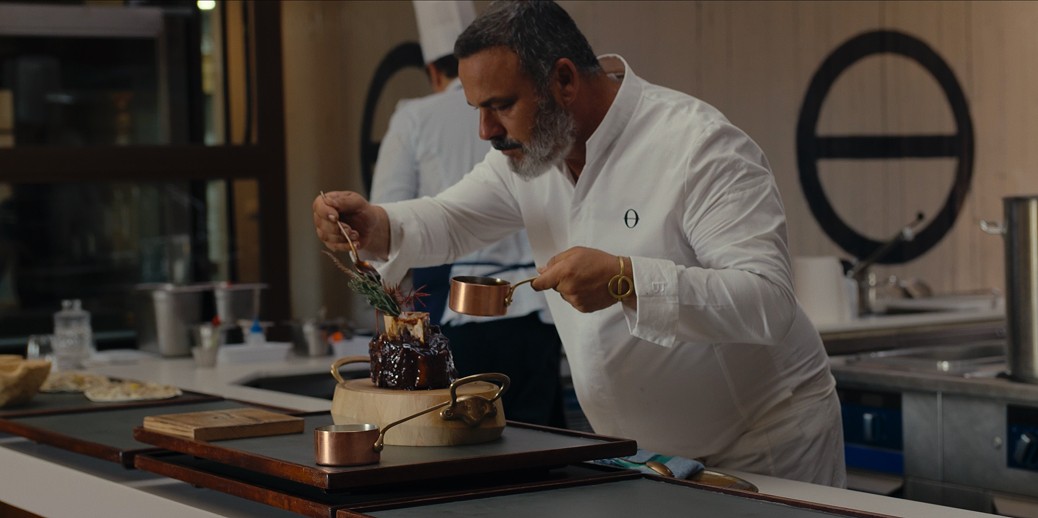
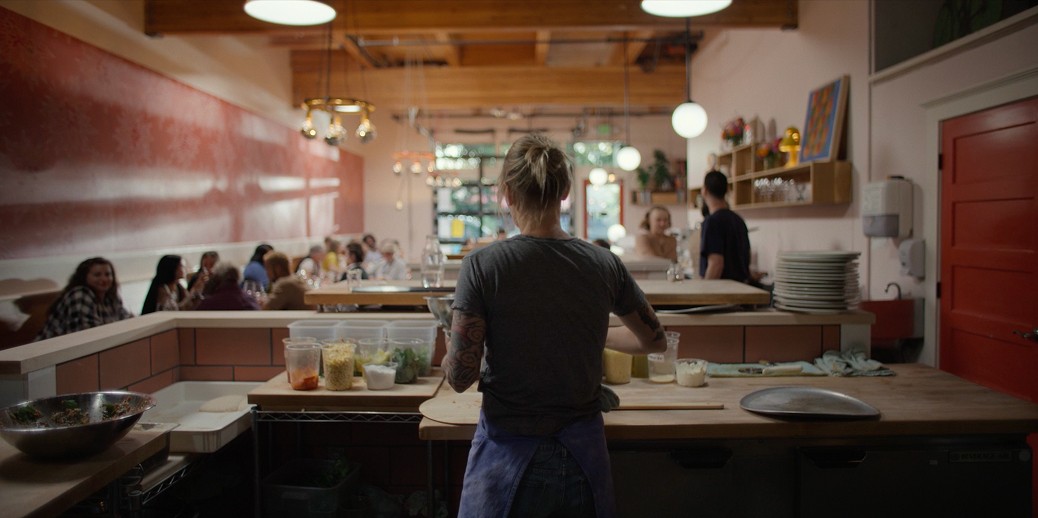
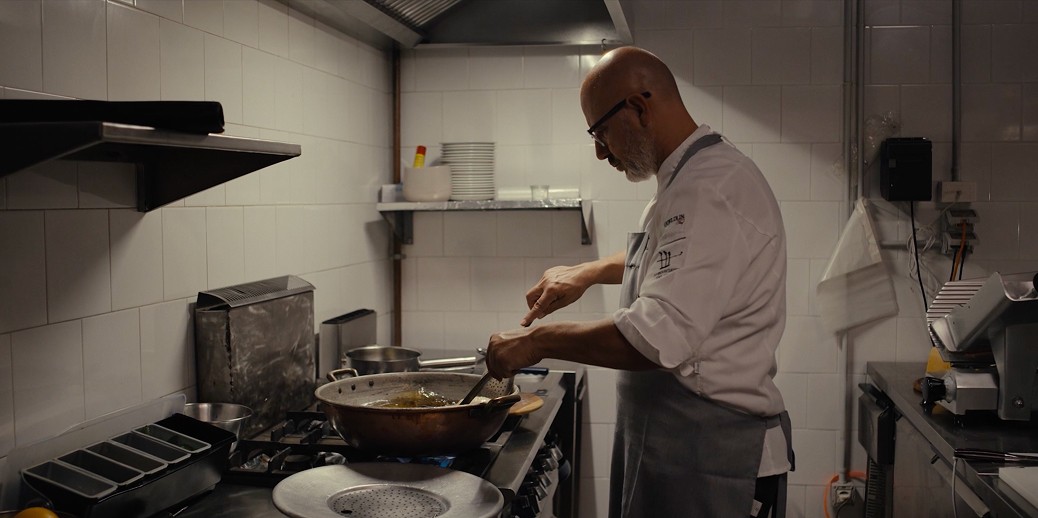
From the beginning, Chef’s Table treated chefs like artists. The series travels deep into kitchens and lives around the world—spending weeks with each chef to understand their craft, their history, and the experiences that shaped their point of view.
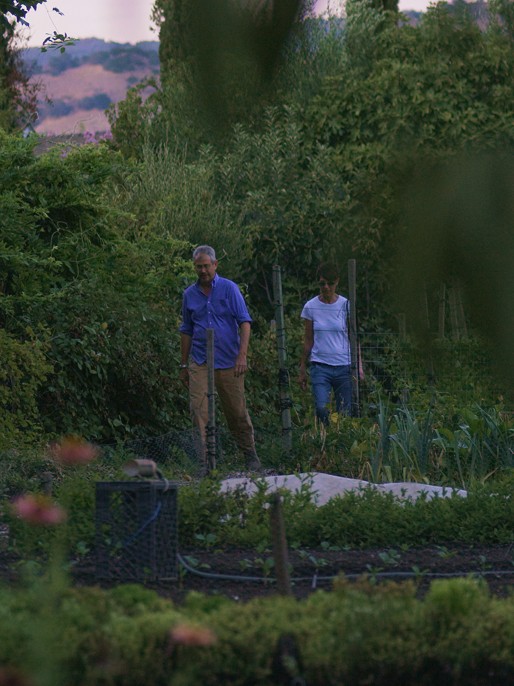
The result is something closer to a portrait than a television episode. Across seasons and spin-offs—from Chef's Table: France to Chef's Table: Pizza, the show has documented the stories of culinary visionaries on nearly every continent.
But the deeper idea behind the series has always been universal: Passion is compelling. Obsession is inspiring. And the story behind the food matters just as much as the food itself.
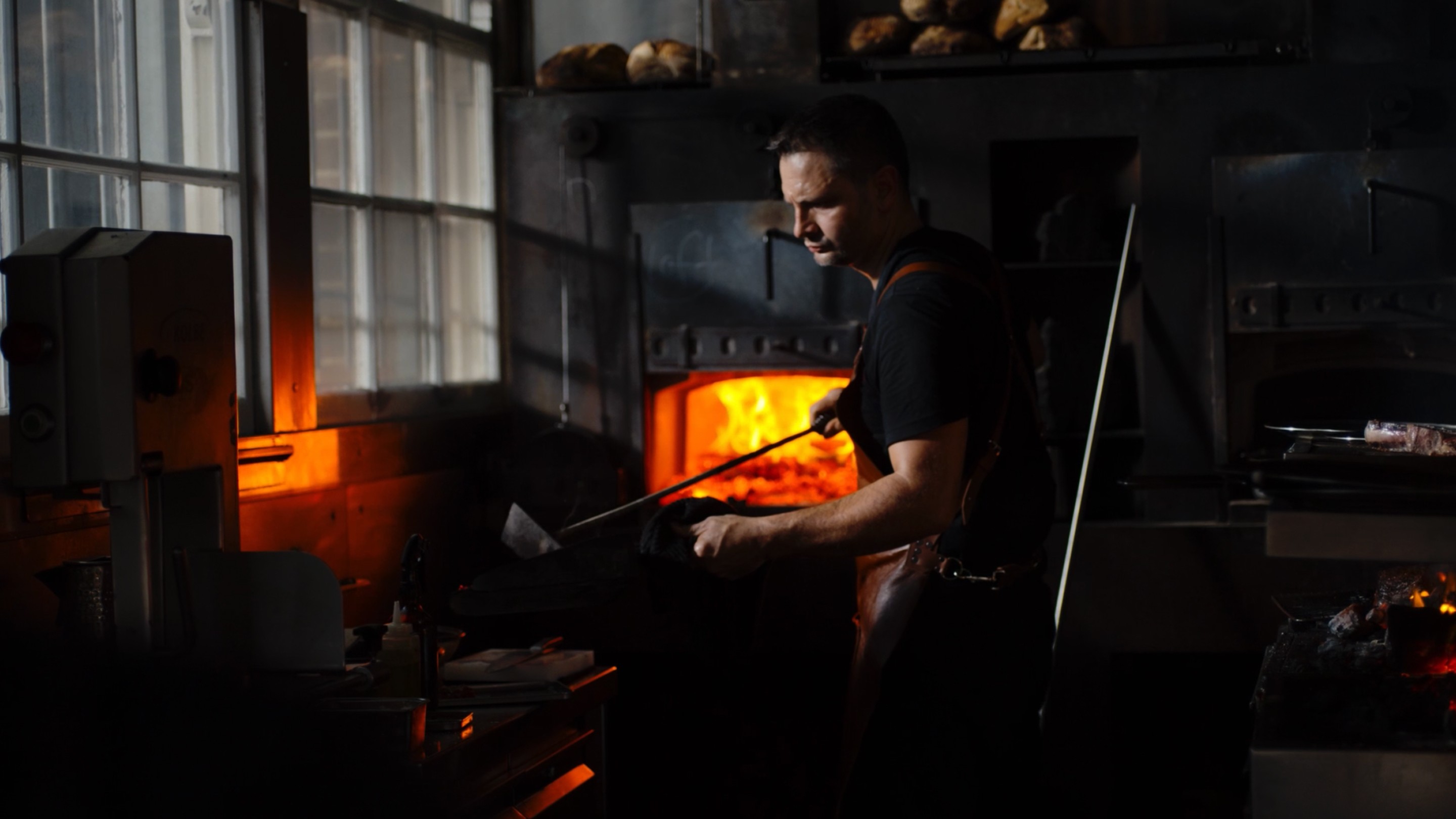
“The best chefs are completely obsessed with what they do.”
— DAVID GELB
03
MORE THAN A SHOW
Over the years, Chef’s Table has grown beyond a television series. It has become a global community of chefs, creators, and food lovers who believe that great food tells great stories. Today, the Chef’s Table platform continues that mission—spotlighting culinary voices, celebrating meaningful collaborations, and creating experiences that bring audiences closer to the people behind the plate. Because the table has always been about more than what’s served on it.
It’s about the people who gather there.
And the stories they bring with them.